Blackwall council rubbish rules Tower Hamlets explained
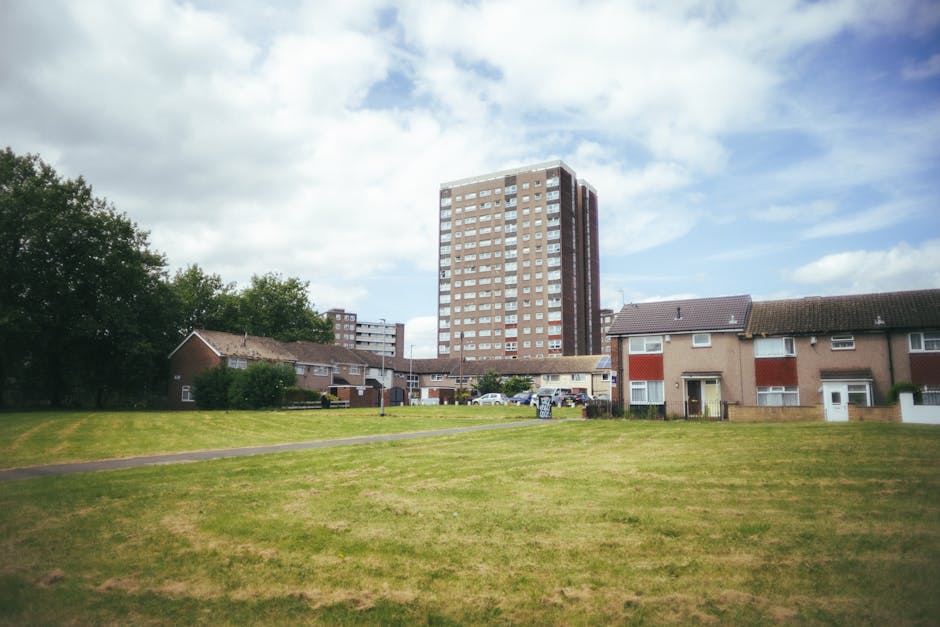
If you live, work, or manage property in Blackwall, rubbish rules can feel simple right up until they are not. One missed collection day, one bag left beside the bin, and suddenly there is a mess on the pavement, a complaint from neighbours, or a warning about how waste should be stored. This guide on Blackwall council rubbish rules Tower Hamlets explained breaks everything down in plain English, so you know what is expected, what to avoid, and how to stay on the right side of local waste rules without turning it into a weekend headache.
Whether you are sorting out household waste, trying to make sense of shared bin stores, or dealing with bulky rubbish in a flat block, the details matter. Tower Hamlets is a busy borough, and in a place like Blackwall, where space is tight and bins can fill quickly, the small things make the biggest difference. Let's walk through the practical side of it properly.
Why Blackwall council rubbish rules Tower Hamlets explained Matters
Rubbish rules are not just about keeping streets tidy, although that part is obvious enough. In Blackwall, they also affect how safe, hygienic, and liveable an area feels day to day. When waste is stored badly, you get smells, pests, blocked walkways, and the kind of fly-tipping that can make a street feel neglected very quickly. No one wants to step around a bin bag on a wet Friday morning. Not ideal, to say the least.
For residents, the rules matter because they set out what should go in which bin, when containers should be put out, and how to deal with awkward items like broken furniture or old mattresses. For landlords, managing agents, and building teams, the rules matter because missed collections and poor bin storage can trigger complaints fast. And for people moving into the area, it helps to know the local rhythm before the first collection day catches you off guard.
In a dense part of east London, the difference between "fine" and "problematic" waste handling is often a few practical habits: closing bin lids, not overfilling containers, and knowing where bulky items should go. Simple, yes. But people forget, especially after a busy week.
Quick takeaway: the most important thing is not memorising every rule word for word; it is understanding how Tower Hamlets expects waste to be presented, stored, and separated so collections can happen cleanly and safely.
How Blackwall council rubbish rules Tower Hamlets explained Works
At a basic level, the system is built around separation, presentation, and collection. Separation means putting the right material in the right place, such as general rubbish, recycling, food waste, or garden waste where available. Presentation means placing bins or bags out in the correct way and at the right time. Collection means the waste team can access it without obstruction. Straightforward on paper, a bit more fiddly in real life.
Most households in Tower Hamlets will be working within the borough's normal collection arrangements, but the exact setup can vary depending on the property type. A house with front access is different from a tower block with shared bin stores. A small terrace is different again from a managed estate where bins are communal and residents rely on building staff or a managing agent.
That means the practical answer to "what are the rubbish rules?" depends partly on where you live and how your waste is collected. The principle stays the same, though: keep waste contained, use the correct containers, do not block access, and do not leave loose bags out unless the borough's collection system specifically tells you to do so. If you are ever unsure, the safest approach is to follow the local collection instructions for your address rather than assuming every street works the same way.
In Blackwall, that can matter more than people expect. Flats near busy roads or new developments often have tighter bin stores and more shared responsibility. One resident leaves a bag on the floor, then three more do the same, and suddenly the whole area looks like no one is in charge. That is how a small issue becomes a recurring one.
Key Benefits and Practical Advantages
Following the local rubbish rules is not just about avoiding trouble. Done properly, it makes daily life easier in a few very practical ways.
- Cleaner shared spaces: bins that are used correctly smell less and attract fewer pests.
- Fewer missed collections: crews can only collect what they can safely access.
- Better recycling results: mixing waste usually means more contamination and more rejected recycling.
- Less neighbour conflict: bin misuse is one of those tiny things that turns into a surprisingly big argument.
- Reduced risk of enforcement issues: rubbish left on the street or dumped illegally can lead to complaints and possible action.
There is also a subtle comfort factor. A building that handles waste well just feels more organised. You notice it in the lift lobby, in the bin store, even outside on the pavement after collections. It sounds mundane, but people absolutely notice.
For property managers and landlords, the practical upside is clearer still: fewer complaints, less reactive cleaning, and a better chance of keeping communal areas in decent shape without constant chasing. Waste management is one of those invisible jobs that only gets attention when it goes wrong. When it goes right, nobody says a word. Which, frankly, is the goal.
Who This Is For and When It Makes Sense
This guide is relevant if you are any of the following:
- a homeowner in Blackwall trying to keep collections smooth
- a tenant who has just moved into a flat and is not quite sure how the bins work
- a landlord or letting agent responsible for communal waste arrangements
- a caretaker, concierge, or building manager handling bin stores
- a small business operator needing to understand local waste expectations for premises
- someone clearing out a property and trying to avoid leaving items in the wrong place
It makes sense to read this before you have a problem, not after. That sounds obvious, but most rubbish issues are easier to prevent than fix. If you already have overfull bins, random bags appearing near the entrance, or confused residents asking where cardboard should go, then you are exactly the sort of person who will benefit from understanding the rules properly.
It also helps if you are comparing disposal options. A lot of people end up deciding between waiting for a council collection, using a bulky waste service if available, or hiring a private clearance team. The right choice depends on timing, item type, access, and how much waste you actually have. No need to overcomplicate it, but there is usually a better route than the first one that pops into your head.
Step-by-Step Guidance
If you want to keep on top of rubbish rules in Blackwall, use a simple process. It cuts through the guesswork.
- Check what type of waste you have. Household rubbish, recycling, food waste, bulky items, and hazardous items are handled differently. A half-broken lamp is not the same as a black bag of general waste, and trying to treat them the same way often causes problems.
- Confirm how your address is serviced. Some properties use individual bins, some use communal stores, and some have collection arrangements that are managed for the whole building. This is where people get caught out. Two flats on the same street can have different setups.
- Sort waste before collection day. Cardboard flattened, recycling rinsed where needed, food waste secured, and general rubbish bagged properly. It takes ten minutes and saves a lot of awkwardness later.
- Put bins out correctly and on time. Do not leave them blocking pavements or fire exits. If the schedule says a certain day or time, follow that rather than guessing. You would be surprised how often a collection gets missed because the bin was put out too early or tucked behind a gate.
- Bring bins back in promptly. This is especially important in shared spaces. Leaving bins in the wrong place can create access issues and attract complaints.
- Arrange a proper route for large items. Sofas, mattresses, white goods, and renovation debris usually need a separate approach. Do not leave them by the bin store unless that is clearly allowed.
- Report repeat issues quickly. If bins are constantly overflowing, if a collection point is blocked, or if fly-tipping keeps appearing, report it through the proper local route or through building management where relevant.
That flow sounds basic because it is basic. The trick is consistency. The best waste systems are rarely glamorous. They are just reliably ordinary.
Expert Tips for Better Results
After enough time dealing with residential waste issues, you notice the same patterns again and again. A few practical habits make a real difference.
First, protect the bin store from avoidable chaos. Keep the area well lit, clearly labelled, and free from random storage. A bin room that also becomes a dumping ground for broken prams, old paint tins, and mystery boxes will always struggle. Always.
Second, make recycling easy to understand. People rarely misbehave on purpose. More often they are unsure, rushing, or relying on bad habits from a previous home. Clear signage and simple resident reminders work better than long lectures. Nobody wants a manifesto pinned to the wall next to the bins.
Third, deal with bulky waste before it becomes a pile. One chair waiting for the "next" collection is how two chairs, a lamp, and a shelving unit suddenly end up in the corner. It happens fast. Very fast.
Fourth, track recurring problems. If the same area keeps getting fly-tipped or the same bin overfills every Tuesday, there is usually a pattern behind it. Maybe collection timing is awkward. Maybe the number of bins is too low. Maybe residents are using the wrong store. Small observation, big payoff.
Fifth, keep communications short and useful. A simple notice with collection days, bin types, and a reminder not to leave loose bags is often more effective than a long policy document. People read what they can digest in ten seconds while carrying shopping and a coffee.
If you manage a property, it is worth visiting the bin area once in a while at collection time. You learn a lot from ten minutes of looking: where bags are being left, whether lids are staying closed, whether access is tight, and whether the whole setup actually works in practice. In our experience, the real story is often hiding in plain sight.
Common Mistakes to Avoid
Most rubbish problems in Blackwall are not dramatic. They are ordinary, repeated mistakes that pile up. Here are the main ones to avoid.
- Leaving bags beside full bins: this can lead to mess, pests, and complaints, and it often makes the whole area look neglected.
- Mixing recyclables with general waste: contamination can undermine the recycling process and waste everyone's effort.
- Using the wrong container: a bag, a box, and a bin are not interchangeable. Sounds silly, but it happens all the time.
- Blocking access: bins placed in front of gates, doors, or shared walkways can stop collection crews from working safely.
- Ignoring bulky items: large waste left outside normal collection points tends to become a long-running problem.
- Assuming your building follows the same rules as the next one: in Tower Hamlets, local arrangements can vary more than people expect.
One of the biggest mistakes is simply waiting too long. If you know a bin store is filling up quickly, do not assume someone else will sort it out. They might. They might not. And by Friday afternoon, the smell says everything.
Tools, Resources and Recommendations
You do not need fancy kit to manage rubbish well, but a few simple tools help.
- Clear bin labels: useful for shared properties where everyone needs a visual reminder.
- Resident noticeboards or digital updates: handy for collection reminders and temporary changes.
- Wheelie bin liners or robust sacks: help contain waste and reduce spillages where suitable.
- Basic cleaning supplies: for quick cleanups of spills in communal spaces before they turn into bigger problems.
- Access keys or codes: if bins are in a secure store, make sure the right people can actually reach them. This sounds obvious until it is not.
For broader waste planning, it can also help to keep a simple log of recurring problems: missed pickups, overflowing bins, resident complaints, and fly-tipping incidents. That record is useful if you need to speak to building management or adjust how waste is being handled. Practical, not fancy. That is the point.
If you are comparing service support, it can be helpful to read more about related property and maintenance services, such as building upkeep and repair support or the company background behind a local service provider when you want to understand who is handling work in the area. For a broader view of property improvements, you may also find professional plastering services useful if waste issues have been tied to refurbishment or room reset projects.
Law, Compliance, Standards, and Best Practice
Waste handling in London is not just a practical matter; it also sits within a framework of legal duties and local expectations. The details can vary depending on whether you are a household, landlord, business, or building manager, so careful wording matters here.
For residents, the key point is simple: follow the collection rules set for your address and avoid leaving waste in places that are not designated for it. For landlords and managers, there is a higher duty of care around communal waste arrangements, access, storage, and keeping shared areas reasonably clear. In practice, this means making sure residents know how the system works and that the system itself actually works.
Businesses usually have additional responsibilities for separating and managing their own waste, especially if they produce recyclable material, food waste, or trade waste. A shop, cafe, or office cannot always rely on the same setup as a household. That is where things get messy if the assumption is wrong.
Good practice usually includes:
- providing enough bins for the amount of waste generated
- making sure containers are suitable for the type of waste being collected
- keeping collection points accessible
- preventing waste from being placed on pavements or in shared access routes
- using a proper route for bulky or unusual items
If you are uncertain about a specific rule, do not guess. That is the safest bit of advice in the whole article. Check the arrangement for the property, ask the manager if there is one, and treat unusual items cautiously. Rubbish is rarely exciting, but the consequences of getting it wrong can be annoying for days.
Options, Methods, or Comparison Table
There is more than one way to deal with waste in Blackwall, and the right method depends on volume, urgency, and property type. Here is a simple comparison to help you think it through.
| Method | Best for | Strengths | Limitations |
|---|---|---|---|
| Normal council collection | Routine household waste and recycling | Convenient, regular, built into local arrangements | Depends on correct presentation and access |
| Bulky item arrangement | Furniture, mattresses, larger household items | Designed for awkward items that do not fit standard bins | Usually needs planning and may not suit urgent clear-outs |
| Private clearance | Large clearances, moving house, renovation waste | Flexible, fast, useful for one-off jobs | Cost and service quality vary, so checks matter |
| Building-managed collection | Communal flats and estates | Centralised, tidy when well-run | Can fail if residents ignore instructions or storage is poor |
If you only have a few bags, the council route may be enough. If you are dealing with a loft clear-out or a flat full of old furniture, a different approach may make more sense. No shame in choosing the method that fits the job rather than forcing everything into the same box.
Case Study or Real-World Example
Picture a typical Blackwall flat building on a damp Monday morning. The bin store is half full by 8 a.m., a couple of recycling bins have cardboard sticking out of the top, and someone has left a black sack beside the door because "the bins looked full anyway." By lunchtime, the sack is split, the seagulls are interested, and two residents are already annoyed.
Now compare that with a building where the manager posts a short reminder on Friday afternoon, checks the store before collection day, and arranges for a bulky item to be removed before it becomes a nuisance. Same building type, same area, very different outcome. The difference is not luck. It is routine.
One manager we spoke to informally described it this way: if waste systems are left to drift, the building starts making decisions for you. That is a slightly funny way of putting it, but also true. Once rubbish is left in the wrong place, it tends to attract more rubbish. The fix is rarely dramatic. Usually it is just consistent action, a bit of communication, and making the correct option easier than the lazy one.
That is the practical lesson behind Blackwall council rubbish rules Tower Hamlets explained: the rules work best when they are easy to follow in real life, not just written down somewhere no one reads.
Practical Checklist
Use this checklist before collection day or when setting up waste arrangements for a property.
- Do I know which bins are for general waste and which are for recycling?
- Are collection days clear to residents, tenants, or building users?
- Are bins easy to access without blocking doors, walkways, or fire routes?
- Are bags tied properly and containers closed?
- Has any bulky waste been arranged separately?
- Is the bin store clean enough to avoid smells and pests?
- Are labels or reminders needed for shared spaces?
- Is there a plan for overflow, missed collections, or sudden clear-outs?
- Has anyone checked whether the current setup still works for the number of people using it?
If you can tick most of those off, you are in good shape. If not, that is fine too. Better to spot the issue early than chase it later.
Get a free quote today and see how much you can save.
Conclusion
Blackwall rubbish rules in Tower Hamlets are not complicated once you translate them into everyday habits. Keep waste in the right place, use the right containers, respect collection timing, and deal with bulky items before they become a clutter problem. That is really the heart of it.
For residents, the reward is a cleaner, calmer home environment. For landlords and managers, it is fewer complaints and less scrambling. For everyone else, it is simply easier living. And let's face it, in a busy part of London, anything that removes one more small stress is worth getting right.
Take a practical approach, keep things consistent, and do not wait for a rubbish problem to announce itself with a bad smell and a pile by the bin store. A bit of care now saves a lot of bother later. That's the quiet win.
Frequently Asked Questions
What do people mean by Blackwall council rubbish rules Tower Hamlets explained?
It refers to the local waste and rubbish expectations that apply to properties in Blackwall, including how to separate waste, where to place it, and how collections are handled in Tower Hamlets.
Do rubbish rules in Blackwall differ between houses and flats?
Yes, they can. Houses may use individual bins and direct collection points, while flats often rely on communal bin stores or managed waste areas. The property type usually affects the setup quite a bit.
What should I do if my bins are full before collection day?
If possible, hold back extra waste until the next collection or use an approved alternative route for bulky or excess waste. Do not leave loose bags in shared spaces or beside bins unless that is clearly allowed.
Can I put large furniture out with normal rubbish?
Usually not. Bulky items such as sofas, mattresses, and white goods typically need a separate arrangement or service, depending on the property and local process.
What happens if rubbish is left in the wrong place?
It can lead to missed collections, mess, complaints, and possibly enforcement issues in serious cases. Even when nothing formal happens, the practical nuisance is enough on its own.
How can I stop my bin store from smelling bad?
Keep lids closed, avoid overfilling, remove food waste correctly, clean spills quickly, and make sure bin stores are not being used for random storage. A neglected bin room gets noticeable very quickly.
What is the best way to avoid fly-tipping near bins?
Keep waste contained, remove bulky items promptly, improve signage, and report repeated dumping through the proper local or building-management route. Fly-tipping often grows where rules are unclear or ignored.
Do I need to separate recycling from general waste?
Yes, in most normal household arrangements you should separate recyclable materials from general rubbish. Mixing them usually causes contamination and reduces recycling effectiveness.
What should landlords and managing agents do differently?
They should make sure residents know the waste setup, bins are sufficient for the building, access is clear, and shared storage stays orderly. In practice, good communication prevents a lot of problems.
Is a private clearance service better than waiting for council collection?
It depends on the job. For a few standard bags, council collection may be enough. For larger clear-outs, renovations, or urgent removals, a private service may be more practical. It is about fit, not hype.
How often should bin areas be checked in a shared building?
There is no single answer for every property, but regular checks around collection days are sensible. A quick look can reveal whether the system is working or slowly drifting into trouble.
What is the simplest way to stay compliant with local rubbish rules?
Know your collection setup, use the right bins, keep access clear, and do not guess about unusual items. If you are unsure, ask the property manager or check the local arrangement for the address before putting anything out.