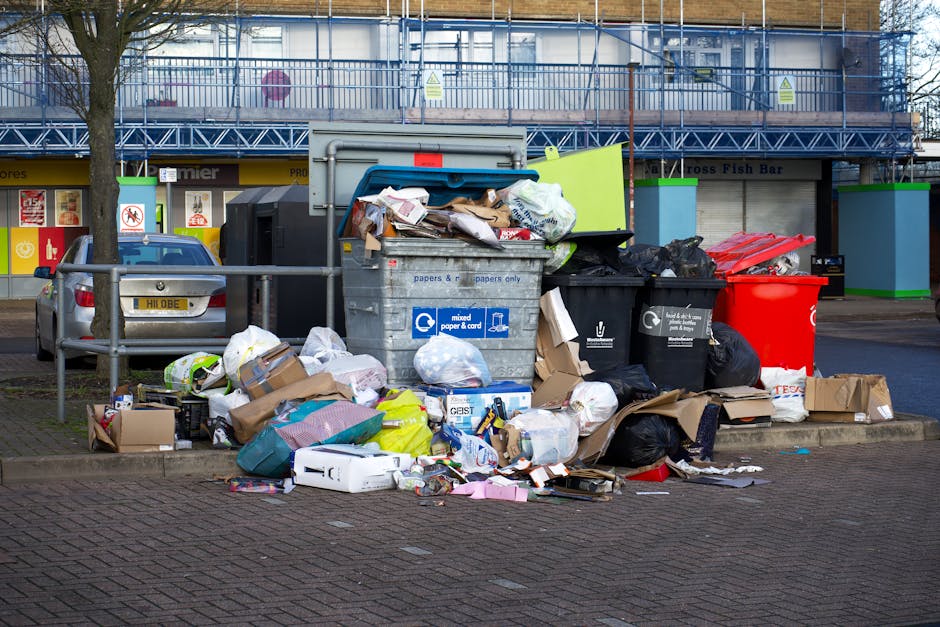
What to know about rubbish permits near Blackwall Tunnel
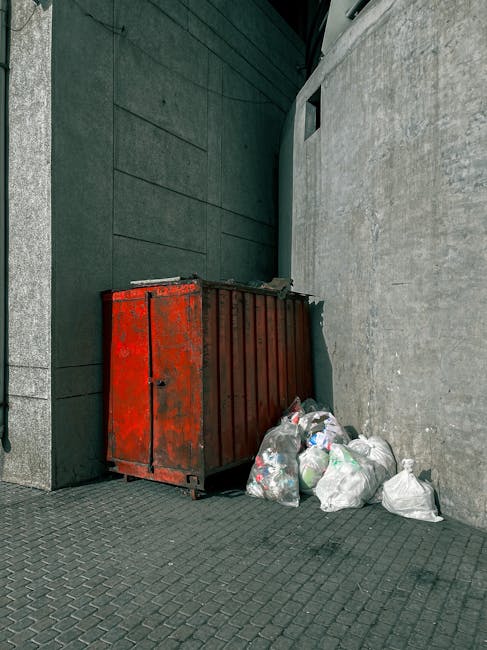
If you are planning a clear-out, refurb, office move, or garden job near Blackwall Tunnel, rubbish permits can become the detail that either keeps everything moving or causes a frustrating delay. That is usually how it goes, isn't it? One minute you are just trying to get rid of waste, the next you are juggling access rules, council requirements, and whether the vehicle, skip, or collection service needs permission to be there.
This guide explains what to know about rubbish permits near Blackwall Tunnel in plain English. You will learn when a permit may be needed, how the process generally works, who is most likely to need one, what can go wrong, and how to plan waste removal without unnecessary stress. We will also cover local practicalities around busy roads, restricted access, and the kind of job where a small bit of preparation saves a lot of hassle later.
To be fair, most people do not wake up excited about permits. But if you understand the basics before the waste piles up, the whole job feels lighter.
Why rubbish permits near Blackwall Tunnel matter
Blackwall Tunnel is not the kind of place where waste logistics can be casual. Traffic is busy, access can be tight, and small mistakes tend to ripple into bigger ones fast. If a skip, van, or loading operation blocks a road edge, footway, or controlled parking area, a permit or formal agreement may be required depending on the exact setup. In practical terms, this is about more than paperwork. It is about keeping the job legal, safe, and efficient.
People often only think about permits when a driver refuses to proceed, a collection is delayed, or a council officer asks awkward questions after the fact. That is not the best time to start reading the small print. Planning ahead helps you avoid unnecessary charges, time lost on-site, and the awkward sort of conversation nobody wants on a Monday morning.
Near a major transport route like Blackwall Tunnel, the margin for error is thin. Waste bags left too long, a skip placed without the right permission, or a collection timed badly can disrupt neighbours, traffic, and the job itself. If the work is in a narrow residential street, a commercial yard, or somewhere with limited stopping space, the permit question becomes even more important.
Key point: a rubbish permit is not just about rubbish. It is about where waste sits, how it is moved, how long it stays there, and whether the arrangement affects public space or traffic flow.
How rubbish permits near Blackwall Tunnel work
In simple terms, a rubbish permit is official permission to place, load, collect, or manage waste in a way that would otherwise not be allowed. The exact type of permission depends on the situation. For example, a skip on a public road may need different approval from a private-site clearance. A van waiting to load bulky waste may need different consideration from a same-day collection that stays entirely on private property.
Near Blackwall Tunnel, the practical issue is usually space. If the work affects a road, pavement, parking bay, loading area, or other public-controlled space, the permit or licence question becomes relevant quickly. You may also need to think about timing, because many routes in East London are busy at peak periods. Early mornings, off-peak slots, or carefully planned arrivals can make a real difference.
It is also worth separating three ideas that people often mix together:
- Permission to place waste - for example, a skip or container in a public area.
- Permission to access or stop - for example, loading close to the roadside or in a restricted bay.
- Permission to handle certain waste types - for example, bulky items, appliances, or hazardous material.
These are not always the same thing. A simple job on private land may need little formal approval, while a straightforward-looking roadside clearance could require a bit of admin. Annoying? A bit. Necessary? Often, yes.
If you are booking a service, it helps to be very clear on the address, frontage, access point, and whether the vehicle must stop in the road. A good provider will ask these questions anyway. If they do not, that is a small warning sign.
Key benefits and practical advantages
Getting the permit side right brings a few obvious benefits, but also some that are easy to miss until you have done this a few times.
- Less risk of delay: the collection or placement can proceed without last-minute problems.
- Better compliance: you reduce the chance of fines, enforcement action, or an awkward call from the local authority.
- Smoother traffic management: especially important near busier roads and tunnel approaches.
- Cleaner site control: waste is removed in an organised way instead of being left to spread across the space.
- Fewer neighbour complaints: nobody enjoys a blocked doorway or an overflowing pile of old furniture outside their flat.
There is also a commercial benefit. For landlords, contractors, letting agents, and business owners, the permit question affects timing, labour costs, and customer experience. If a clearance team arrives and has to wait while paperwork is sorted, the job can become more expensive and less tidy than expected. If you have ever watched two people stand around a sofa in the drizzle while a loading bay issue gets resolved, you will know the feeling.
Expert summary: The real value of rubbish permits near Blackwall Tunnel is not the permit itself. It is the time, control, and peace of mind it gives you when the site is tight and the road network is unforgiving.
Who this is for and when it makes sense
This topic matters to a wide range of people, and not just builders. In our experience, the people who need to think about permits usually fall into one of these groups:
- Homeowners clearing lofts, garages, or whole properties.
- Landlords dealing with end-of-tenancy waste or left-behind items.
- Builders and tradespeople who need space for rubble, packaging, or demolition waste.
- Offices and businesses removing old furniture, equipment, or archive material.
- Residents in flats where access is shared and storage space is limited.
- Anyone booking a skip or roadside collection near a restricted or busy route.
It makes sense to ask about permits when the job involves any of the following:
- a skip on a public road or parking space;
- loading waste from the roadside;
- limited driveway space;
- narrow streets or controlled access zones;
- bulk waste that cannot be carried out discreetly by hand.
Sometimes the answer is simple: you do not need a permit because everything stays on private property and the collection is arranged fully off-road. Other times, the answer depends on a detail that looks minor at first, like whether the van has to wait in a live lane or whether the waste bags are left overnight. That is why asking early is much better than assuming.
Step-by-step guidance
If you want the process to go smoothly, use this practical sequence. It is not glamorous, but it works.
- Work out where the waste will sit. Private driveway, front garden, forecourt, road, bay, pavement, or shared access area? This is usually the first deciding factor.
- List the waste type. General household rubbish, furniture, garden waste, builders' waste, electrical items, or something more sensitive like fridges or materials that may count as hazardous.
- Check the access needs. Does the vehicle need to stop on the road? Is there enough turning room? Will the collection happen quickly or over several hours?
- Confirm who is responsible for permissions. A reputable waste provider should explain whether the permit is handled by them or whether the property owner or contractor needs to arrange it.
- Book with realistic timings. Near Blackwall Tunnel, traffic can be unpredictable. Leave room for that. A neat plan that ignores travel time is not really a plan.
- Prepare the waste before arrival. Keep items together, separate bulky goods if requested, and make sure access points are clear.
- Keep an eye on the job while it happens. If anything changes on site, say so immediately. A tiny change in position can affect whether the permit conditions are still being met.
A small but useful tip: take photos before the collection if the access is awkward. It helps everyone understand the setup, and it can prevent confusion later. Nothing fancy. Just a clear phone photo or two.
What to ask before you book
- Will this setup need a permit or a licence?
- Who applies for it?
- How long does approval usually take in practice?
- What happens if the access point changes on the day?
- Are there any waste items that need separate handling?
Those five questions alone can save a lot of back-and-forth.
Expert tips for better results
Here are the sorts of things that make a clearance run more smoothly around Blackwall Tunnel and the surrounding streets.
1. Plan around traffic, not just around your own calendar
A 9 a.m. slot sounds efficient. But if the vehicle has to come through a congested route, that time can be far less reliable than you hoped. Early starts help in some cases, but not always. The point is to work with the road conditions, not against them.
2. Keep waste separated where possible
Mixed waste is slower to process, and sometimes costlier too. If you can separate furniture, garden cuttings, metal, cardboard, and general rubbish in advance, the collection tends to be smoother. It also helps with recycling. And yes, people do appreciate when the job does not turn into one giant mystery heap.
3. Think about neighbours and building users
If you are in a shared block or close terrace, warn people before the waste arrives. A simple note, a call, or a message can stop someone parking in the wrong spot or leaving the gate locked when the crew turns up.
4. Choose a provider that talks clearly about compliance
Good waste teams tend to explain access, permit responsibilities, insurance, and what happens if an item turns out to need special handling. If the answers are vague, keep asking. You are allowed to be a little picky here.
5. Build in a buffer
Truth be told, everything goes better when the schedule has breathing room. A buffer makes sense for permit processing, traffic delays, and the occasional surprise item in the loft that weighs more than it looks.
Common mistakes to avoid
Most permit problems are not dramatic. They are just the result of small assumptions piling up. The good news is they are very avoidable.
- Assuming a skip can go anywhere. It cannot. If it touches public space, the rules usually become stricter.
- Leaving permit questions until the day of the job. That is where delays tend to happen.
- Forgetting to check waste type. Fridges, paints, chemicals, and certain electrical items may need special treatment.
- Underestimating access problems. Tight streets near busy routes can make simple jobs awkward.
- Not confirming responsibility. If nobody knows who is arranging the permit, no one is really arranging it.
- Booking too tightly. One delayed van can throw off the whole day.
Another common one is leaving items in the wrong place because "it will only be there for an hour." Sometimes that hour becomes three. Sometimes enforcement appears. Sometimes the weather changes. London has a way of making casual plans look silly, doesn't it?
Tools, resources and recommendations
You do not need specialist software to manage rubbish permits well, but a few simple tools help a lot.
- Phone photos: useful for showing access, frontage, and any awkward obstacles.
- Site notes: write down the exact address, entrance, and any parking constraints.
- Calendar reminders: keep permit deadlines and collection windows visible.
- Waste inventory: a quick list of what is going, especially for larger clearances.
- Provider quote details: keep the full scope in one place so nothing gets forgotten.
If you are comparing services, look beyond the headline price. Check whether disposal, labour, transport, access issues, and any permit-related coordination are all clearly explained. A quote that looks cheap but hides friction often costs more in the end. There is a reason some people have a bad taste in their mouth after "cheap" clearance jobs.
Useful service pages on this site can also help you match the job to the right type of clearance or disposal support, whether that is waste removal, builders' waste clearance, or a more specific service such as furniture disposal.
Law, compliance, standards, or best practice
This part needs a careful hand. The exact permit or licence requirement depends on location, waste type, access conditions, and how the work is being carried out. In the UK, waste must be handled responsibly, and anyone producing, transporting, or disposing of it should follow the relevant legal duties and local rules. If a road, pavement, parking space, or other controlled area is involved, formal permission may be required before anything is placed there.
Best practice usually includes the following:
- making sure waste is stored safely and does not block access routes;
- keeping loads secure during transport;
- separating prohibited or sensitive items from general waste;
- using insured and competent services;
- avoiding fly-tipping, even by accident, because "just leaving it there" is not a defence anyone enjoys explaining.
If you are a landlord, contractor, or business owner, you should also think about duty of care. In plain English, that means you should be able to show that your waste was handed over properly and went to the right place. Keep records where appropriate, ask what happens to the waste, and do not hand the job to someone who sounds vague about disposal.
For a more local perspective on rules and practical expectations in the area, this guide on Blackwall and Tower Hamlets rubbish rules is a useful companion read. It helps set the scene if you are trying to work out how local enforcement and waste behaviour fit together.
Practical rule of thumb: if a collection might affect public space, transport flow, or sensitive waste handling, ask the questions before the booking is confirmed, not after the van arrives.
Options, methods, or comparison table
Different waste situations call for different approaches. Here is a simple comparison to help you think it through.
| Method | Best for | What to watch for | Permit likelihood |
|---|---|---|---|
| Skip hire | Renovations, bulk waste, builder debris | Space, placement, duration, access | Higher if placed on public land |
| Man-and-van clearance | Household rubbish, furniture, mixed items | Parking, loading time, narrow streets | Medium if roadside stopping is needed |
| Private-site clearance | Driveways, yards, commercial premises | Access width, lifting distance, waste volume | Lower if fully off-road |
| Scheduled collection | Repeat waste streams, business waste | Timing, container access, compliance records | Varies by setup |
In many cases, the best option is the one that reduces roadside dependence. If everything can happen on private land, life is simpler. If not, you may need more planning, more lead time, and a clearer permit conversation.
Case study or real-world example
Here is a realistic example, based on the kind of job that comes up all the time near busy parts of East London.
A small landlord near Blackwall Tunnel needs to clear a one-bedroom flat after a tenancy ends. The property has limited frontage, no rear access, and a shared street where parking is already tight by late morning. The first instinct is to book a van and hope for the best. That usually ends in a scramble.
Instead, the landlord checks the access first, notes that the vehicle may need to stop close to the curb, and asks whether permission is needed for that arrangement. The waste company advises on timing, confirms what can be removed in one visit, and helps avoid a late-day collection that would have clashed with traffic. The landlord also separates furniture, mixed household rubbish, and a broken appliance before the team arrives.
The result? The job finishes cleanly, there is less back-and-forth, and neighbours are not left with a confusing pile on the street while everyone waits for the next step. Nothing flashy. Just calm, competent waste handling. That is what you want, honestly.
For jobs with bulky household items, the relevant service page for house clearance can also help you think through the scale of the work, while flat clearance is often a better fit for tighter access and shared entrances.
Practical checklist
Use this checklist before you confirm anything near Blackwall Tunnel:
- Have I confirmed whether the waste stays on private land?
- Will the vehicle, skip, or load affect a road, footway, or parking space?
- Do I know what type of waste is being removed?
- Have I checked whether special items need separate handling?
- Is the access route wide enough for the planned vehicle or team?
- Have I allowed enough time for traffic and permit coordination?
- Do I know who is responsible for arranging permission?
- Have I told neighbours, tenants, or building users if access may be affected?
- Do I have photos or notes of the site setup?
- Is the waste provider clear about insurance, disposal, and timing?
If you can tick most of those off, you are in good shape. If not, pause and clarify before booking. That little pause saves bigger headaches later.
Conclusion
When you strip it back, what to know about rubbish permits near Blackwall Tunnel comes down to this: think about where the waste will go, how it will be collected, and whether the arrangement touches public space or busy access routes. The more local the constraints, the more useful advance planning becomes.
You do not need to become a permit expert overnight. You just need to ask the right questions, keep the job details clear, and use a waste removal approach that matches the site. That alone will put you ahead of most rushed clear-outs. And in a place where traffic, access, and timing can all change the mood of a job in seconds, that is a very good position to be in.
If you are still unsure, compare the options, check the access, and choose the route that keeps things simple. It is usually the calmest path that ends up being the cheapest one too.
Get a free quote today and see how much you can save.
Frequently Asked Questions
Do I always need a rubbish permit near Blackwall Tunnel?
No. If all waste stays on private property and the collection does not affect public land or access, a permit may not be needed. The requirement usually depends on where the skip, vehicle, or waste will sit.
Who usually arranges the permit?
That depends on the service and the setup. Sometimes the waste provider handles it, and sometimes the property owner or contractor is responsible. Always confirm this before booking.
How far in advance should I check permit needs?
As early as you can. Even if the answer turns out to be simple, early checks help avoid delays, especially where traffic and access are tight.
Can I leave rubbish on the pavement while I wait for collection?
Usually not without proper permission. Public footways and roads are sensitive areas, and waste left there can create safety and compliance issues.
What kind of waste causes the most complications?
Bulky furniture, appliances, builders' waste, and anything that may count as hazardous tend to create more planning questions. Mixed waste can also slow things down.
Is a skip the same as a rubbish clearance van in permit terms?
No, not always. A skip sitting in one place and a van loading waste for a short period may face different access and permission requirements.
What if my street near Blackwall Tunnel is very narrow?
That is exactly when planning matters most. Narrow access can affect vehicle size, stopping time, loading method, and whether a permit or other permission is needed.
Do business premises need different handling from homes?
Often yes. Business waste can involve extra compliance steps, record keeping, and more frequent collections. The basic principles are similar, but the expectations are usually stricter.
Can permit issues delay same-day rubbish removal?
Yes. Same-day service is possible in many cases, but only if access, timing, and permission requirements are clear enough to act on quickly.
What is the biggest mistake people make?
Assuming the job is simple because the waste looks simple. In reality, access and location often matter more than the waste itself.
Should I worry about fines?
You should at least take the issue seriously. If waste is placed or collected in a way that breaks local rules, enforcement can become a problem. The safest approach is to check before anything is set in motion.
What is the best next step if I am still unsure?
Gather a few basics: the address, waste type, access notes, and where the waste will sit. Then speak to a provider that can explain the practical setup clearly. A few minutes now can save a much messier day later.